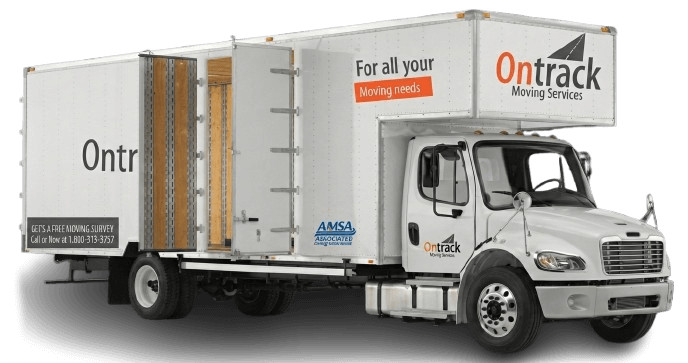

San Francisco & Bay Area Laboratory Moving Company.
Moving company established in 2010. Laboratory equipment moves planned around your inventory, access and preparation requirements.
A lab move brings together equipment preparation, building access and a clear placement plan. Ontrack Moving® handles physical laboratory relocations across the Bay Area. Share the equipment list and the requirements from your lab and service providers so the moving work can be planned around them.
Request a Lab Moving Survey (888) 914-8787$10M Combined Protection Tower Coverage across business policies, including building and premises liability. Equipment: basic $0.60/lb per article cargo liability under the applicable moving agreement. Ask about third-party protection options.
Who handles laboratory and biotech moves in the Bay Area?
Ontrack Moving® is a Bay Area laboratory moving company and asset-based carrier, USDOT #2551548. We plan physical equipment relocations around the inventory, building access and the requirements supplied by your lab and equipment providers. Packing, handling and placement belong in the agreed move scope; specialist preparation and return-to-service checks belong with the qualified people responsible for them.
How much does a Bay Area laboratory move cost?
Laboratory moving costs depend on the equipment inventory, packing, handling requirements, access and schedule. Separate the moving work from specialist preparation, sample transport and destination testing when comparing estimates. Final charges depend on actual labor time, materials, access conditions, scope changes, waiting time and additional services. Our Bay Area lab move cost guide explains the main cost drivers.
How do you move a -80C ultra-low freezer?
Start with the exact freezer model instructions and your laboratory-approved sample plan. Confirm sample storage or transport, monitoring responsibility, equipment preparation and restart conditions before agreeing the physical move. A short transit window does not replace manufacturer approval for moving a loaded unit. See our guide to moving a -80C ultra-low freezer.
How do you move a biosafety cabinet?
Your biosafety or EH&S team and cabinet service provider determine the preparation and release needed before handling. The moving plan then follows the cabinet instructions, access route and agreed packing arrangements. Any required destination certification is handled by the qualified provider before the lab returns the cabinet to use. See our biosafety cabinet decontamination guide.
Bay Area Laboratory Moving: Quick Facts
- Service area: 19 Bay Area cities from South San Francisco to San Jose, plus East Bay and Peninsula corridors
- Facility Types: Biotech labs, pharmaceutical clean rooms, university research facilities, analytical testing labs
- Equipment Handling: Packing, handling and placement planned around the equipment requirements
- Compliance: Documentation needs and responsibilities agreed with the lab
- Insurance: $10M combined business insurance stack. Separate basic $0.60/lb per article cargo liability under the applicable agreement.
- Credentials: USDOT #2551548 | CA License CAL-T190721 | DOT Inspection Record Exceeding the National Average
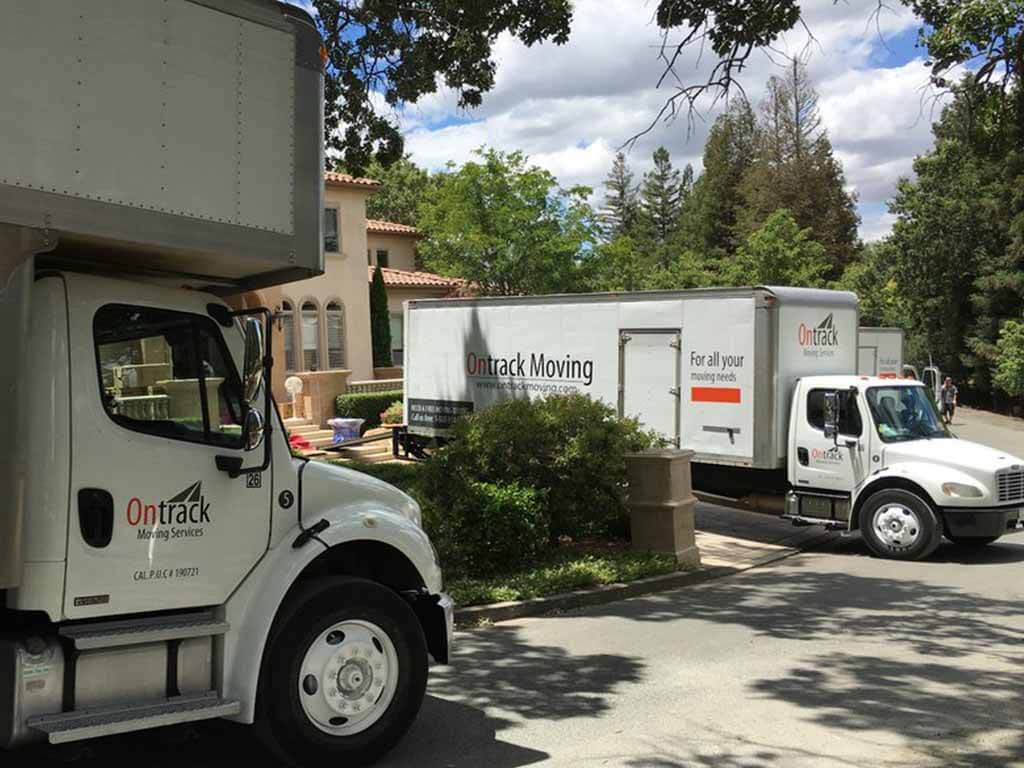
Laboratory and biotech relocation across the Bay Area corridor
Laboratory Relocation Services Across the Bay Area
Ontrack Moving® is a Bay Area laboratory moving company and asset-based carrier. We plan and execute the physical relocation of lab and biotech equipment across 19 Bay Area cities, and coordinate the move with your lab's EH&S team, OEM calibration vendors, and certified decontamination vendors. The laboratory and qualified providers arrange any required preparation and release before handling, and destination checks before reuse. Our moving scope covers the agreed packing, transport and placement. For a lab relocating out of state, see our California-to-Texas laboratory relocation case study, where the equipment traveled on a single dedicated truck with one crew from the load in California to the unload in Texas. For a contamination-controlled biotech move in San Francisco, read our Wild Type Foods cleanroom lab relocation case study, where the crew gowned up and crossed a sole-decontamination station to unload many biosafety cabinets in a controlled clean area. For a floor-to-floor move inside an active biotech tower, read our Plasmidsaurus South San Francisco lab relocation case study, where two Oxford Nanopore PromethION sequencers were moved by the lead foreman on a padded instrument transport platform and the lab was rebuilt bench by bench on the 15th floor.
The Bay Area includes research facilities in South San Francisco, San Francisco, the Peninsula and the East Bay. Loading routes, building access and laboratory release procedures differ by site. Bring those details into the survey so they can be reflected in the moving plan.
Send the building insurance requirements early so the actual coverage and any requested endorsements can be reviewed. Ontrack carries a $10M Combined Protection Tower, a combined business insurance stack including building and premises liability. Equipment liability is separate under the applicable moving agreement. The planning sequence is outlined in our 15-point commercial moving protocol.
Bay Area Biotech Corridors We Serve
South San Francisco (Biotech Capital)
South San Francisco lab moves can involve freight elevators, shared docks and controlled building access. Confirm the equipment dimensions, route limits and reservation process with the specific property before choosing the move window.
Peninsula Corridor (Menlo Park to San Carlos)
Menlo Park's Sand Hill Road hosts venture-backed biotech startups. Redwood City and San Carlos along Industrial Road form a secondary biotech corridor with Gilead Sciences and dozens of clinical-stage companies. Foster City adds Zoetis and pharmaceutical research labs along Metro Center Boulevard.
East Bay (Berkeley / Oakland / Hayward)
Research moves in Berkeley, Oakland and Hayward need a site-specific access and release plan. Campus safety requirements, loading routes and the equipment inventory determine the preparation; crew dates are agreed during scheduling.
Physical Moving and Specialist Responsibilities
Our role is the agreed physical relocation work. Your laboratory and equipment providers handle technical preparation, utility work, calibration and any required qualification. Confirm their appointments and handoff points as part of the move schedule.
Lab-specific protocols
How does Ontrack handle laboratory equipment?
A useful lab moving plan starts with the equipment list, manufacturer instructions, access route and the people responsible for preparation. Discuss packing, handling equipment and placement before move day so the written scope reflects the job.
Calibration-Aware Instrument Handling
Share the manufacturer handling instructions and any calibration records your lab needs to retain. Plan specialist preparation and destination checks alongside the physical move, with responsibilities and dates agreed by the people doing the work.
Cleanroom and BSC Preparation
Your EH&S team and qualified service provider determine the preparation and release requirements for cabinets and cleanroom equipment. Confirm entry, packaging and placement procedures with the receiving facility before the moving work is scheduled.
Transport Planning for Sensitive Equipment
Identify handling restrictions, lifting points and any transport requirements in the manufacturer instructions. The survey is the time to discuss the route, packing and handling equipment needed for the instruments in scope.
Packing and Crating Requirements
Packing needs depend on the instrument and the approved shipping method. Discuss existing manufacturer packaging, fragile parts, orientation and any crating requirements before the packing work is agreed.
Move Documentation Planning
Discuss the records your lab needs before the move. An inventory, condition photos and transfer sign-offs may serve different purposes, so identify who prepares each record and include the agreed work in the scope. Your QA team decides what its audit or equipment files require.
- Inventory and equipment identification needs
- Responsibility for requested condition photos
- Pickup and delivery sign-off arrangements
- Receiving and placement checks
- Laboratory return-to-service checks
- Records requested by your QA team
Agree the Documentation Scope
Confirm the records, responsible parties and deliverables before the move
Equipment expertise
What laboratory equipment does Ontrack relocate?
Use these equipment categories to prepare for the survey. Share the make, model, dimensions and manufacturer moving instructions for the items in scope. Specialist equipment and technical tasks need a separate assessment before the moving work is agreed.
Analytical Chromatography
- HPLC and UPLC systems (Agilent 1260/1290, Waters Alliance/Acquity, Shimadzu Nexera, Thermo Fisher Vanquish)
- LC-MS/MS systems (Sciex Triple Quad, Waters Xevo, Agilent 6400)
- GC-MS systems (Agilent 5977, Thermo ISQ, Shimadzu QP)
- Ion chromatography systems (Thermo Dionex)
Handling: Ask the laboratory or OEM provider to specify shutdown, solvent handling, shipping restraints and packing for each module. Confirm who performs any technical preparation and destination checks.
Mass Spectrometry and NMR
- Triple quadrupole mass spectrometers
- Q-TOF and Orbitrap mass spectrometers (Thermo Fisher)
- MALDI-TOF systems (Bruker, Sciex)
- NMR spectrometers (Bruker, Jeol, 300 MHz to 800 MHz)
- FTIR and ICP-MS systems (Agilent, PerkinElmer)
Handling: Discuss specialist rigging, magnet preparation and shipping supports with the manufacturer or qualified service provider before agreeing the physical moving scope.
Cell Culture and Biosafety
- Class II Type A2 and B2 biosafety cabinets (NuAire, Labconco, Thermo, ESCO)
- CO2 incubators (Thermo Heracell, Eppendorf Galaxy, Panasonic MCO)
- Shaker incubators (Eppendorf, Infors HT, New Brunswick)
- Anaerobic chambers (Coy, Bactron)
- Laminar flow hoods (horizontal and vertical)
Handling: Have the biosafety team and cabinet provider determine preparation, release and destination certification needs. Plan handling after the equipment has been released.
Cold Storage and Cryogenics
- -80C ultra-low freezers (Thermo TSX, Eppendorf CryoCube, Stirling)
- -150C cryogenic freezers
- LN2 dewars and liquid nitrogen storage tanks (Chart MVE, Taylor-Wharton)
- Pharmaceutical refrigerators (Helmer, Thermo)
- Walk-in cold rooms and warm rooms
Handling: Use the exact model instructions and the laboratory-approved sample plan. Agree responsibility for sample storage, monitoring, equipment preparation and restart before the physical move.
Centrifugation
- Ultracentrifuges (Beckman Coulter Optima, Thermo Sorvall, Hitachi)
- High-speed floor centrifuges (Beckman Avanti, Thermo)
- Refrigerated benchtop centrifuges (Eppendorf 5810/5910, Thermo Sorvall ST)
- Microcentrifuges (Eppendorf 5424/5425)
- Rotors and accessories (transported separately on padded carts)
Handling: Follow the model instructions for rotor preparation, shipping restraints and installation checks. Confirm which tasks require the laboratory or equipment specialist.
Microscopy and Imaging
- Confocal microscopes (Zeiss LSM, Leica Stellaris, Nikon A1)
- Inverted research microscopes (Zeiss, Leica, Nikon, Olympus)
- Electron microscopes (TEM and SEM, vendor service required)
- Live-cell imaging systems (Molecular Devices, Sartorius IncuCyte)
- Gel imagers (Bio-Rad ChemiDoc, GE Amersham)
- Microplate readers (BMG, Tecan, Molecular Devices, BioTek)
Handling: Ask the equipment provider to identify the packing, disassembly, handling and destination checks appropriate to the model. Agree these tasks before the move.
Molecular Biology and Genomics
- PCR thermocyclers (Bio-Rad, Eppendorf Mastercycler, Applied Biosystems)
- qPCR systems (Applied Biosystems QuantStudio, Bio-Rad CFX, Roche LightCycler)
- NGS sequencers (Illumina NextSeq, NovaSeq, MiSeq; Oxford Nanopore; PacBio)
- Sanger sequencers (Applied Biosystems 3500)
- Capillary electrophoresis systems
Handling: Confirm manufacturer packing and shipping instructions, any specialist preparation and the checks needed at the destination. Our documented case studies show the handling used on specific jobs.
Cell Sorting and Flow Cytometry
- Flow cytometers (BD FACSAria, FACSymphony, LSR; Beckman CytoFLEX; Cytek Aurora)
- Cell sorters (BD FACSAria, Sony, Beckman MoFlo)
- Mass cytometers (Standard BioTools / Fluidigm Helios CyTOF)
Handling: Have the laboratory and equipment provider define shutdown, shipping and requalification needs. Agree the physical moving tasks around their requirements.
Bioprocess and Fermentation
- Bioreactors and fermenters (Sartorius BIOSTAT, Eppendorf BioFlo, Applikon)
- Single-use bioreactor controllers
- Tangential flow filtration (TFF) systems
- Process chromatography skids (Cytiva AKTA Pilot/Process)
- Cell counters (Beckman Vi-CELL, Nexcelom Cellometer)
Handling: Ask the laboratory or OEM provider to specify cleaning, disconnection and any technical teardown. Packing and handling are planned for the released equipment.
Liquid Handling and Automation
- Liquid handlers (Hamilton STAR/VANTAGE, Tecan Freedom EVO/Fluent, Beckman Biomek)
- Plate handlers and robotic arms (Hudson PlateCrane, PAA)
- Automated colony pickers
- High-throughput screening platforms
Handling: Confirm with the provider which modules stay assembled, which need separate packing and what installation checks are required at the destination.
General Lab Workhorses
- Lab ovens and drying ovens (Thermo Heratherm, Despatch)
- Autoclaves (Tuttnauer, Steris, Consolidated)
- Milli-Q and lab water purification systems (Millipore, ELGA)
- Lab balances (Mettler Toledo, Sartorius, analytical and microbalance)
- Hot plates, stirrers, rotators, vortexers, shakers
Handling: Have the responsible personnel prepare and disconnect the equipment. Use the dimensions, weight and manufacturer instructions to plan lifting, packing and destination placement.
Fume Hoods and Lab Casework
- Chemical fume hoods (Labconco, Hamilton, Kewaunee, Mott)
- Perchloric acid hoods and radioisotope hoods
- Lab benches, casework, and chemical storage cabinets
- Flammable and corrosive safety cabinets (JustRite, EAGLE)
Handling: The laboratory and building specialists handle clearance, utilities and ductwork. Scope the physical move separately and confirm destination testing with the qualified provider.
Cleanroom and Semiconductor
- Cleanroom benches and pass-throughs
- HEPA filter modules and FFUs
- Wafer handling tools (when moved within a single facility)
- Photolithography accessories
- ESD-controlled workstations
Handling: Confirm the facility entry, packaging and handling procedures with its cleanroom lead. The facility determines any checks needed before equipment returns to use.
Climate and Environmental Test Chambers
- Stability chambers (Caron, Thermo, Memmert)
- ICH photostability chambers
- Walk-in environmental chambers
- Plant growth chambers (Conviron, Percival)
- Vibration test platforms
Handling: Ask the equipment provider to define utility preparation, handling, ventilation and restart requirements for the specific chamber. Specialist work is separate from the physical move.
OEM coordination
How does Ontrack coordinate with lab equipment vendors?
Share your equipment provider contacts, preparation requirements and proposed service dates during planning. Confirm technical tasks and appointments with those providers, then agree how the physical move fits around them.
How we work in the field
Bay Area Lab Moving Case Studies
These documented projects show how access, equipment and the working scope shaped four different lab relocations. Read each case for its specific handling details.
Plasmidsaurus: Ninth Floor to Fifteenth Floor
A South San Francisco lab and office move within one building.
The lab was moved in its labeling order, with the PromethION sequencers handled by the lead foreman on a padded instrument transport platform.
Wild Type Foods: San Francisco Lab Relocation
A laboratory move into a controlled clean area in San Francisco.
The plan accounted for an uneven loading dock, padded equipment handling and the receiving facility entry procedures.
California-to-Texas Laboratory Relocation
A long-distance move of laboratory equipment on one dedicated truck.
The documented scope included reactors, ovens and a heavy shaker, with padding, soft-crating and plywood bracing for the shipment.
Biosafety Cabinets Hoisted by Forklift
A Bay Area biotech lab where the freight elevator was too small for the biosafety cabinets.
Four cabinets of about 800 to 1,000 lbs each were hoisted in the lobby about 17 feet to the second floor on a four-stage mast forklift, using a reinforced custom pallet built at the Ontrack warehouse.
Each case describes its own project. The inventory, access, preparation and responsibilities for your move are agreed separately.
Coverage for laboratory facilities
Insurance and Liability
Ontrack carries a $10M Combined Protection Tower, a combined business insurance stack including building and premises liability. The facility reviews the actual COI and any required endorsements. Equipment is separate, with basic $0.60/lb per article cargo liability stated in the applicable moving agreement. Ontrack does not sell valuation coverage or insurance; ask about third-party options and review their terms.
$10M Combined Protection Tower
Combined business insurance stack, including building and premises liability. Review the applicable limits and endorsements on the actual insurance documents.
Building Insurance Documents
Send the building requirements for review before the move. Requested endorsements depend on the coverage and insurer approval.
Equipment Liability
Basic $0.60/lb per article cargo liability is stated in the applicable moving agreement. Discuss third-party options for additional protection before moving.
Service overview
Laboratory Moving Services at a Glance
| Service | Best For | Planning Considerations |
|---|---|---|
| Lab Moving Survey | All laboratory projects | Equipment inventory, handling instructions, facility access and proposed schedule |
| Biotech Lab Relocation | Pharma, biotech, clinical labs | Equipment release, sample logistics and documentation responsibilities discussed during planning |
| Clean Room Moves | Semiconductor, pharma manufacturing | Facility entry, packing and handling requirements; specialist checks arranged by the lab |
| Analytical Instrument Transport | Mass spec, HPLC, NMR, flow cytometry | Packing, handling and placement planned around manufacturer and specialist requirements |
| University/Research Lab Moves | UC, Stanford, LBNL, private research | Institutional approvals, access between floors and department scheduling |
| Cold Storage Transport | -80C freezers, cryogenic, pharma | Model-specific handling, sample arrangements and monitoring responsibilities |
| Lab Decommissioning | Lease expiration, facility closure | Agreed packout, packing and disassembly after laboratory clearance |
| Phased Lab Migration | Active labs requiring rolling access | Move phases, bench layout and building access windows agreed in advance |
Planning a Bay Area Laboratory Relocation?
Start with a free lab moving survey. Share your equipment inventory, handling instructions, building access and proposed schedule. We use those details to discuss the physical move and identify preparation, specialist services and records to confirm in the written scope.
Request a Lab Moving Survey
Phased lab and office relocation in South San Francisco
I hired Ontrack Moving for a relocation of both an office and lab space in South San Francisco. Because we had two separate workflows to move, Ontrack provided a staggered relocation. They delivered materials ahead of time so we could prep accordingly. We moved the laboratory on a Saturday in order to minimize pause in operations, and completed the office move the following Tuesday. The gentlemen were very hard and fast workers, and we were surprised at how quickly they got everything done. Super satisfied with the South SF team and have already contracted them for additional work.
Verified on Google
Trustworthy, reliable, and efficient
I do not have any regrets after my experience with Ontrack Moving. The entire process, from getting the initial quotes until the last piece of furniture was unloaded from the truck, felt completely seamless. I was genuinely impressed how Mauricio and Carlitos flawlessly transported every single item in the exact condition they started in... I would definitely use Ontrack for a future move. They are trustworthy, reliable, and efficient.
Verified on Google
Transparent pricing and professional crew
I hired Ontrack Moving for my most recent move and I am absolutely grateful I did. The price was transparent, process was clear (thank you, Carmina), and the movers came early and moved quickly... Important to note how professional, kind, and skilled the movers, Arturo and Cesar were.
Verified on Google
Laboratory Moving by City
The city pages below cover laboratory moving across the Bay Area. Each project starts with its own inventory, access requirements and preparation plan.
Common questions
Laboratory Moving FAQs
Eighteen questions covering cost, timeline, equipment, compliance, and Bay Area institutions.
The instrument inventory, packing needs, access, handling requirements and move schedule shape the price. Separate the physical move from specialist preparation, sample transport and post-move testing when comparing estimates. A site survey is the starting point for a written scope. Final billing depends on actual labor time, materials, access conditions, scope changes, waiting time and additional services.
The schedule depends on equipment preparation, building access, specialist availability and the work needed before the lab resumes use. Plan the physical move around those dependencies. A phased move may suit an active lab, with each area released and placed in an agreed order. Confirm preparation and return-to-service dates with your laboratory and equipment providers.
Ontrack carries a $10,000,000 Combined Protection Tower, a combined business insurance stack that includes building and premises liability. Equipment is separate, with basic $0.60 per pound per article cargo liability stated in the applicable moving agreement. Ontrack does not sell valuation coverage or insurance. Ask about third-party options and their terms before moving. Your building reviews the actual COI and any required endorsements.
Tell us which records your lab needs, such as an inventory, condition photos or transfer sign-offs. Agree who will prepare them and include the relevant work in the written scope. Instrument IDs, timestamped photos, signed logs and temperature monitoring are not a standard bundle on every move. Your QA or compliance team determines whether the agreed records meet its requirements.
Start with the manufacturer instructions for each instrument. Your laboratory or equipment specialist identifies shutdown, packing, transport-lock and destination-check requirements. Those requirements inform the handling plan and moving scope. Calibration status after relocation is checked by your qualified provider; the move itself does not establish it.
Use the exact freezer model instructions and the laboratory-approved sample plan. The lab decides whether samples need separate storage or transport, and who handles monitoring and contingencies. Preparation, orientation and restart requirements vary by model. A short drive alone is not approval to move a loaded freezer. Agree the physical moving scope after those decisions are made.
Ask your biosafety or EH&S team and cabinet service provider to determine preparation, any required decontamination, and release for handling. Plan the physical move around that release and the manufacturer instructions. The qualified provider handles any required destination certification before the lab returns the cabinet to use. Ontrack does not perform cabinet decontamination or certification.
A fume hood move involves the laboratory, building facilities team and qualified service providers. They determine cleaning and hazard clearance, utility and duct disconnection, reconnection and destination testing. The physical lift, transport and placement are scoped separately after those requirements are known. Ontrack does not perform specialist decontamination, utility work or hood certification.
Ask your chromatographer or OEM service provider for the model-specific shutdown and shipping instructions. Confirm responsibility for solvents, lines, columns, shipping restraints and any technical disassembly before packing begins. Plan packing and placement around those instructions. Your laboratory and qualified provider determine the checks or qualification needed before the system returns to use.
The laboratory biosafety team determines how equipment is released for handling and how regulated materials are managed. Ontrack scopes the physical move of cleared equipment; regulated biological materials require separate arrangements through the laboratory and its qualified transport provider. Discuss any restricted facility access or specialist requirements before agreeing the move. A BSL designation alone does not define the transport plan.
Ontrack does not transport regulated hazardous chemicals, hazardous compressed gases or radioactive materials as part of its moving service. Your EH&S team and specialist provider determine classification, packaging, transport and disposal requirements. Empty cabinets, benches and other equipment can be assessed for the physical moving scope after the laboratory releases them for handling.
A phased plan groups equipment and work areas into agreed move windows. Start with the laboratory dependencies: which areas can be released, which equipment is still needed, and when the destination is ready. Assign responsibilities for preparation, packing, access and placement for each phase. Research and return-to-service decisions remain with the laboratory.
Bring the laboratory, EH&S, building manager and equipment providers into the planning discussion. Access windows, clearances, insurance documents and specialist appointments can affect the move date. Confirm the requirements with each responsible party and build the physical moving schedule around them. Institutional procedures and notice periods differ.
A lab close-out typically involves an inventory, decisions on retained equipment, hazardous-material removal, any required decontamination, packout and the facility handover. The laboratory, landlord and EH&S team set the applicable release and surrender requirements. Ontrack scopes physical removal and placement of cleared contents; specialist decontamination and regulated waste remain with the responsible providers.
Calibration, technical installation and equipment qualification are handled by your laboratory or qualified service provider. Identify those tasks before agreeing the moving schedule, including utility readiness and access for the technician. The move scope covers the agreed physical relocation work. Vendor appointments and equipment readiness need confirmation from the parties responsible for them.
We discuss campus and research-facility moves through the procurement, access and safety process that applies to the project. Contact the institution first to establish its intake and clearance requirements, then share those requirements during the moving survey. A service-area listing is not a statement that Ontrack is an approved vendor for every institution.
Ontrack serves laboratory moving inquiries across the Bay Area, including South San Francisco, San Francisco, the Peninsula, the South Bay and the East Bay. The city pages on this page cover local planning considerations. Share the origin, destination and equipment inventory so the route, access and handling scope can be assessed.
Start with your facilities checklist: insurance documents, inventory, building access and the proposed move schedule. Discuss any requested instrument IDs, photos, sign-offs or temperature records before agreeing the work. The written scope identifies the deliverables and who supplies them. Your laboratory keeps responsibility for its regulatory and equipment-release records.
PLANNING RESOURCES
Laboratory Moving Guides
A lab relocation has many moving parts beyond the move itself. These seven guides walk through the planning questions Bay Area and Arizona lab managers and EH&S coordinators ask us most. Read the ones that match where you are in the process.
Read this first when you are scoping the calendar. Planning milestones for small, mid-size and large labs, and the factors that shape the schedule.
Read when you are building the budget. Moving charges and specialist costs to separate when comparing written estimates.
Read when your lease requires the space returned in decommissioned condition. The EH&S close-out sequence your team and certified vendors coordinate before move day.
Read when a biosafety cabinet is in scope. Preparation, release and destination certification decisions to discuss with your biosafety team and cabinet provider.
Read when an ultra-low freezer is on the inventory. Model-specific preparation, laboratory-approved sample arrangements and restart planning.
Read when you are choosing a carrier. Questions to resolve before agreeing the scope, from insurance documents to specialist responsibilities.
Read when an Arizona or California-to-Arizona lab move is on the table. Equipment preparation, heat exposure, facility clearance and laboratory-led sample planning.