What did it take to move a law office from the Financial District to Oakland?
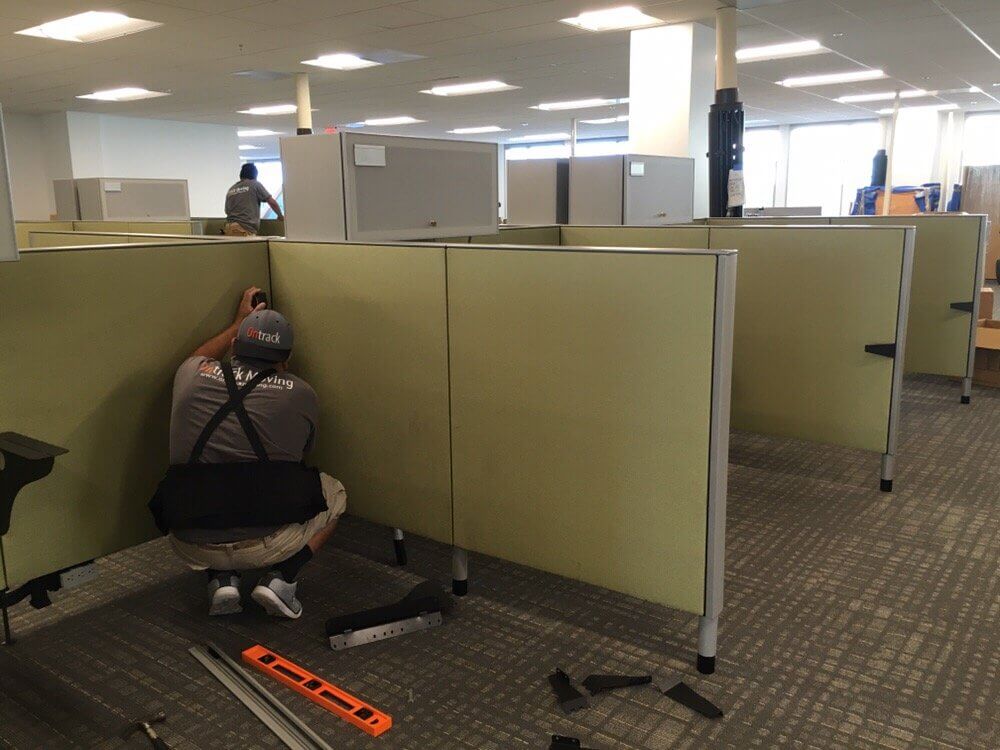
As of October 2026, Ontrack Moving® has completed a two-phase move for a San Francisco law firm, from a Class A tower in San Francisco's Financial District to a Class A building beside Lake Merritt in Oakland. Phase 1, in February, broke down the cubicles on a Monday and moved the workstations and reception desk on Tuesday evening, from 4 PM to about midnight, on 2 trucks. Phase 2 ran Friday through Sunday in late March 2026, with 3 trucks on the Saturday and the desks rebuilt on the Sunday.
The work that made it possible happened on paper first: certificates of insurance for both landlords, SFMTA permits for both phases, and a schedule built around the freight elevator windows the firm reserved. When the furniture went in, the layout needed adjusting on site, so the Ontrack Moving® crew stayed past the planned hours and came back Monday to finish.
| Stage | What happened |
|---|---|
| Request to signature | The firm asked for a quote through our website in January 2026. We walked the San Francisco building on an on-site survey the same month, and the signed proposal came back in February, about three weeks after the first request. |
| Before the move | Boxes, labels and packing instructions delivered ahead of the move. Certificates of insurance issued for both buildings. SFMTA permits pulled for both phases. |
| Phase 1, February | Monday: cubicle disassembly, 1 truck and a crew of 3. Tuesday evening, 4 PM to about midnight: workstations and the two-piece reception desk moved to Oakland, 2 trucks and a crew of 5. |
| Phase 2, late March | Friday: prep and staging. Saturday: the main move, 3 trucks and a crew of 9. Sunday: the rest of the move and the desks rebuilt in Oakland. |
| The next Monday | A crew of 2 with 1 truck went back to the Oakland office to finish the furniture layout. |
| April | The firm booked Ontrack again for a follow-up job at the Oakland office. |
Why two phases instead of one big weekend?
Because the firm asked for it, and then the elevators shaped the rest. The firm wanted its workstations and reception desk moved first, after hours, as a disassemble-and-move job with no reassembly. So Phase 1 became a weekday teardown followed by a single evening move in February.
For the rest, the elevators were the bottleneck at both buildings, so the remaining 85 to 90 percent of the office was spread over three days in late March instead of crammed into one. A crew can only work as fast as the car comes back up. The thinking is the same staged approach we lay out in the office relocation playbook.
How did the building paperwork get cleared?
The firm sent both buildings' insurance requirements and the Oakland move-in forms in January. Ontrack Moving® sent back completed certificates for both buildings the next day, along with the Phase 1 proposal.
Each certificate named that building's ownership and its property managers as additional insureds, carried a waiver of subrogation, and stated the coverage as primary and non-contributory. Both certificates carried the same three items. When we returned to the Oakland building in April, the Oakland certificate was re-issued and the building approved it the following day.
Ontrack Moving® carries a Combined Protection Tower for building liability, subject to policy terms. It does not cover the items being moved. Valuation options for your items are set out in your written estimate.
Elevators and curb space
We do not book freight elevators. The tenant does, with building management. On this job we suggested the windows and the firm reserved them, and both buildings wanted the foreman's name and phone number before confirming. The rest of the schedule was built around those windows.
At the curb, Ontrack requested the SFMTA temporary sign permits for both phases. One of them carried a catch: the street was in a commute zone, so the permit for the Friday prep day was valid only until 2:59 PM. The Friday start was moved earlier so the curb truck work fit inside the permit window.
How did each workstation get packed and labeled?
Ontrack Moving® delivered the boxes and labels to the San Francisco building ahead of the move and emailed the firm a set of moving instructions explaining how our labeling system works, so each workstation could be packed and labeled for its place in the Oakland office.
"Keeping a large office move organized is the key to meeting deadlines and completing the move successfully."
Pablo Giordano, owner, Ontrack Moving®
Phase 1: a teardown on Monday, a move on Tuesday night
Monday was a daytime job for 1 truck and a crew of 3: prep the floor and take the cubicles apart. Tuesday evening, 2 trucks and a crew of 5 started at 4 PM and finished just before midnight, moving the workstations and the reception desk across the bay. The plan called for a building walkthrough before and after the move, so the evening started and ended with a look at the route.
Phase 2: prep Friday, move Saturday, rebuild Sunday
Friday was staging. Monitors went into monitor bags, loose loads went onto four-wheel dollies and machine carts, and shrink wrap went around whatever needed holding together. Saturday was the heavy day: 3 trucks and a crew of 9 running loads between the two buildings.
Sunday finished the move and put the office back together. The plan listed the firm's modern wooden U-shaped desks, sixteen of them at three pieces each, for reassembly on the Sunday. Taking a U-desk apart cleanly matters as much as rebuilding it: the pieces, the hardware and the order all have to land in the same room in Oakland.
When the layout needed adjusting
When the furniture went in, the layout needed adjusting on site, so the crew stayed past the planned hours on Saturday and Sunday and came back Monday to finish, with a crew of 2 and 1 truck.
How were two Class A buildings protected along the route?
Both buildings required floor, wall and elevator protection, and the San Francisco building required a route inspection before and after the move. Before work began, a walkthrough documented existing damage along the route and in the spaces. After the move, a second walkthrough checked the same route and spaces again.
In between, the crew laid Masonite boards over the floors and fitted wall shields and corner guards along the route.
In April, the firm booked us again for a follow-up job at the Oakland building.
What this project shows a law firm planning a move
- Send the building requirements early. Certificates for both buildings went out the day after the requirements arrived.
- Reserve the elevator windows yourself. The mover can suggest them; the building takes the booking from the tenant.
- Read the permit's hours as well as its date. A commute-zone limit moved one start time earlier.
- Plan for the layout to move. Drawings and rooms disagree; on this job the fix took one extra day.
If your firm is planning a move, start with our law firm movers page, or see the city teams for San Francisco office moves, Oakland office moves and the wider Bay Area office movers service. Larger and mixed projects run through our commercial moving team and its move protocol.