Packing Guide

How to Pack Fragile Items, Art & Antiques for a Move

The items most likely to break are the ones worth the most. Here is the materials list, the technique for each item type, and the point where a piece belongs in a custom crate instead of a box.

Fragile, Art & Antiques

Why Fragile Packing Is a Different Skill

Most moving damage is concentrated in a small set of items: glassware, china, framed art, mirrors, and antiques. They share one trait. They cannot absorb a knock. Packing them well is not about using more tape. It is about cushioning each piece, isolating it from its neighbors, removing every void where it could shift, and recognizing the point where cardboard is no longer enough and the piece needs a crate.

The short version: wrap each piece on its own, cushion the box top and bottom, fill every gap so nothing shifts, and stand flat items (plates, framed art, mirrors) on edge rather than flat. When a piece is irreplaceable, oddly shaped, or structurally fragile, skip the box and build a custom crate.

This is the technique. If you would rather hand it off, our professional packing services handle fragile-only or whole-home packing, and high-value pieces route to our white-glove moving and fine art and antiques moving crews who build crates to the piece.

TL;DR (30-Second Summary)

  • Materials matter more than effort: double-wall dish boxes, unprinted packing paper, bubble wrap, picture/mirror cartons, cell dividers. Printed newspaper transfers ink onto china and art.
  • Wrap individually, cushion both ends, fill all voids. A correctly packed box does not rattle.
  • Flat things travel on edge: plates on their edges in the box, framed art and mirrors standing upright, never lying flat.
  • Tape an X on glass-front frames so a crack does not become loose shards.
  • Antiques want acid-free tissue or glassine against the finish, not plastic or printed paper.
  • Crate the irreplaceable. Original art, large mirrors, stone tops, chandeliers, and delicate antiques belong in a custom wooden crate, not a carton.

Start With the Right Materials

Good fragile packing starts at the supply table, not the box. The wrong materials undo careful work. The right ones do most of the protecting for you.

Material What it is for Why it matters
Dish-pack boxes Double-wall cartons for kitchen fragiles Twice the crush resistance of a standard box; the single most useful fragile-packing item
Unprinted packing paper Wrapping each piece, filling voids Newsprint ink transfers onto china, glass, and art; always use clean paper
Bubble wrap A second layer over wrapped fragiles and electronics Adds an air cushion; small bubble for surfaces, large bubble for impact
Picture / mirror cartons Framed art, mirrors, glass tabletops Telescoping flat boxes that hold a panel on edge
Glassine or acid-free tissue The layer touching art and antique finishes Will not stick to or react with paint, varnish, or aged wood
Cell dividers Stemware and glasses Isolates each glass so they cannot strike each other

Glassware, China & Stemware

The kitchen is where most breakage happens, because it holds the highest count of fragile pieces. The method is the same for everyday dishes and heirloom china, only the care level changes.

  1. Cushion the box. A double-wall dish box, with 2 to 3 inches of crumpled paper across the bottom so nothing rests on a hard surface.
  2. Wrap each piece on its own in two or three sheets of clean paper. Bare glass should never touch bare glass.
  3. Stand plates on their edges, like records in a crate, not stacked flat. On edge, a plate resists pressure that would crack it lying down.
  4. Heaviest on the bottom, lightest on top. Bowls and dinner plates below, glasses and cups above. Use cell dividers for stemware and wine glasses.
  5. Fill every void with crumpled paper so nothing shifts in transit. Shake the box gently; if it rattles, add more paper.
  6. Label and keep it light. Mark FRAGILE and THIS SIDE UP on several sides. Keep dish boxes under about 45 pounds so the lower layers are not crushed.

Pro Tip

Save the original boxes for electronics and small appliances when you can. A manufacturer box with its molded foam insert is purpose-built for that exact item and outperforms anything you can assemble. For stemware, the divided liquor-store cartons are excellent and free.

Framed Art & Mirrors

Framed art and mirrors fail the same way: a flat panel flexes when weight lands on it, and the glass or the canvas cracks. The fix is to keep them rigid and always on edge.

  • Tape an X across glass-front frames with painters tape. It will not lift the glass, and if the pane cracks the tape holds the shards together instead of letting them slide into the artwork.
  • Wrap in glassine or paper first, then a layer of bubble wrap, then corner protectors on the frame edges.
  • Box it on edge in a telescoping picture or mirror carton sized to the piece. For an oil painting, never let anything press on the canvas face.
  • Load art standing upright in the truck, wedged between padded flat surfaces, never lying flat and never with weight on top.

Large, valuable, or irreplaceable pieces outgrow cartons quickly. That is the threshold for a crate, covered below, and the reason our fine art and antiques crews build to the piece rather than reach for a box.

Antiques & High-Value Pieces

Antiques add a problem ordinary furniture does not have: the finish itself is fragile and old, and the joinery may be loose. The materials that protect a modern dresser can mark or trap moisture against a century-old surface.

  • Acid-free tissue or glassine against the finish first, then padding over that. Plastic stretch wrap placed directly on an antique finish can trap humidity and cloud or lift the surface, so it goes over a barrier layer, not against the wood.
  • Remove or secure loose parts: drawers, glass doors, marble tops, finials, and hardware travel wrapped separately and labeled, so they do not swing or slide.
  • Support fragile joinery so the piece is not carrying its own weight on a weak joint during the lift and the ride.
  • Soft-crate or custom-crate the most delicate pieces rather than blanket-wrapping alone. We use protective padding and runners on the route, and climate-aware materials for sensitive surfaces on longer hauls.

When to Build a Custom Crate

  • Original artwork, signed prints, or anything irreplaceable
  • Large mirrors and glass tabletops
  • Marble, stone, or granite tops and slabs
  • Chandeliers, sculpture, and oddly shaped pieces
  • Delicate or high-value antiques with fragile finishes or joinery

The logic is simple: if losing the item would be a real loss and a box cannot hold its shape under pressure, it belongs in a rigid crate built to its dimensions. That is the core of white-glove moving, and the same discipline our piano moving crews apply to instruments.

What Not to Do

  • Do not use printed newspaper on china, glass, or art. The ink transfers.
  • Do not lay framed art or mirrors flat, in the box or in the truck. Flat panels crack under weight.
  • Do not overpack a fragile box to save cartons. A heavy box crushes its own bottom layer and is dropped more easily.
  • Do not leave voids. Empty space is where things move, and movement is what breaks them.
  • Do not put stretch plastic directly on antique or painted finishes. Use a tissue or glassine barrier first.

Handling and Liability: Set Expectations Early

Packing well is the part you control. It is also worth understanding how coverage works before the move, because the two are connected. Under federal FMCSA rules, the basic carrier liability is $0.60 per pound per article. That figure is weight-based, not value-based, so a light but valuable item is covered only by its weight at that basic rate unless you buy additional valuation protection. The $10,000,000 Combined Protection Tower we carry covers the building and property during a move, not the replacement value of your belongings.

For genuinely high-value art and antiques, the right move is to ask about additional valuation and about custom crating during the estimate, because the best result is preventing damage rather than filing a claim afterward. If your pieces are heading out of state, our long-distance moving page explains how crating and transit are planned for a longer haul, and short gaps between homes route through storage in transit.

Working fragile packing into your overall timeline keeps it from becoming a last-night scramble. Our week-by-week Bay Area moving checklist shows where packing fragiles falls in the schedule, and if you are new to the region, the guide to moving to the Bay Area covers the bigger picture.

Frequently Asked Questions

Use double-wall dish-pack boxes, wrap each piece individually in clean packing paper, and cushion the bottom of the box with 2 to 3 inches of crumpled paper. Stand plates on their edges rather than stacking them flat, load the heaviest pieces on the bottom, use cell dividers for stemware, and fill every gap so nothing shifts. A correctly packed box does not rattle. Keep each dish box under about 45 pounds.

For glass-fronted frames, place painters tape in an X across the glass so that if it cracks the shards stay together, then wrap the piece in glassine or paper, add a layer of bubble wrap, and stand it on edge inside a telescoping picture box or a flat mirror carton. Always transport framed art and mirrors standing on edge, never flat, because flat panels flex and crack under any weight placed on them. Large, valuable, or irreplaceable pieces are better protected in a custom-built wooden crate than any cardboard carton.

Consider a custom wooden crate when a piece is irreplaceable, structurally fragile, oddly shaped, or high in value: original artwork, large mirrors, marble or stone tops, chandeliers, sculpture, and delicate antiques. A crate gives rigid protection a box cannot, which is why white-glove and fine-art moves build crates to the exact dimensions of the piece. The threshold is simple: if losing the item would be a real loss and a box cannot hold its shape, crate it.

Antiques need materials that will not react with old finishes. We use acid-free tissue or glassine directly against the surface, then padding, rather than letting plastic or printed paper sit on an aged finish, since plastic can trap moisture and ink can transfer. Loose parts (drawers, glass doors, finials) are removed or secured separately, and fragile joinery is supported so it does not bear weight in transit. High-value antiques are often soft-crated or custom-crated rather than blanket-wrapped alone.

Federal FMCSA rules set the basic carrier liability at $0.60 per pound per article, which is weight-based rather than value-based, so a light, valuable item is covered only by its weight at that basic rate unless you purchase additional valuation protection. The $10,000,000 Combined Protection Tower that Ontrack Moving carries covers the building and property, not the replacement value of belongings. For genuinely high-value art and antiques, ask about additional valuation and about custom crating, since the best outcome is preventing damage, not filing a claim afterward.
Disclosure: Ontrack Moving® is an asset-based carrier licensed under USDOT #2551548 and CA License CAL-T190721, operating at a 0% Federal Out-of-Service Rate under FMCSA inspection. The $10,000,000 Combined Protection Tower covers buildings, premises, floors, elevators, and workers compensation for the jobs we perform. Customer belongings are covered under basic $0.60 per pound per article cargo liability per federal FMCSA rules, with additional valuation protection available for purchase. Packing guidance in this article is general; no packing method removes the risk of damage entirely. For high-value items, confirm valuation and crating options during your estimate.
KEEP READING

Related Articles

Bay Area Moving Checklist

The Bay Area Moving Checklist: A Week-by-Week Timeline

A whole-home Bay Area moving timeline, from 8 weeks out through moving day and the first week after. Covers the local specifics that trip up newcomers: SFMTA parking permits ($250 to $500, filed 7 business days out), building Certificate of Insurance and freight elevator reservations, school enrollment timing, crew sizing, and the 10-day license / 20-day vehicle California DMV residency deadlines.

11 min read Read
Bay Area Relocation Guide

Moving to the Bay Area: Best Cities, Neighborhoods & Schools

The Bay Area is five distinct regions, not one city. A relocation guide comparing the Peninsula, South Bay, East Bay, San Francisco, and North Bay on school districts (Palo Alto Unified #4 in California, Acalanes #1 in Contra Costa, Cupertino High A+ per Niche 2026), neighborhoods, and commute, plus how to plan and properly staff the move.

12 min read Read
Scottsdale Relocation Guide

Best Neighborhoods in Scottsdale, AZ for Families & Professionals

Where to live in Scottsdale: Old Town for walkability; McCormick Ranch, Grayhawk, and DC Ranch for families. Plus the Scottsdale Unified School District record (all 29 brick-and-mortar schools earned an A or B in the 2024 state report cards) and city safety data, with every figure sourced.

8 min read Read
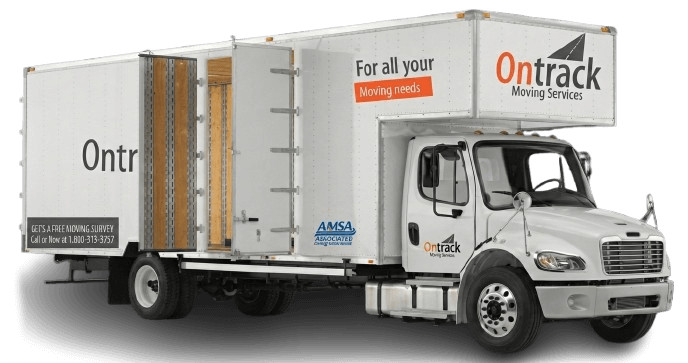
Ontrack Moving fully equipped truck with packing materials for fragile items

Want the Fragiles Packed Right?

Fragile-only or whole-home packing, with custom crating for art and antiques. Our trucks, our crew, asset-based direct carrier under USDOT #2551548. $10M Combined Protection Tower for building and property liability.

Planning a Move? Get your free estimate.